Our Blog

Diet and Dental Health: What to eat and what to avoid

July 24th, 2018

You are probably aware that guzzling soda and drinking those sugary Starbucks Frappuccinos aren’t particularly good for your dental health. But how much thought do you give to the effects of your diet on your teeth? Practicing healthy eating habits isn’t just helpful for your waistline, it also ensures that your teeth stay strong and cavity-free.

How diet affects dental health

Our team at Pioneer Dental will tell you that your mouth is a complicated place on a microbiological level. Harmful bacteria form dental plaques which convert the sugars in food to acids that wear away at tooth enamel. Meanwhile, saliva washes away some of the detrimental acids, while minerals work to rebuild where teeth are damaged. The foods you eat are important for managing this balancing act between harmful bacteria and helpful rebuilding agents.

Rethinking your diet to prevent cavities

Carefully considering your dietary choices is a smart way to become mindful of the foods you eat and how they affect oral health.

Foods to eat

  • Calcium- and phosphorus-rich foods. We’ve all heard that milk builds strong bones, and your teeth are included in that. Milk, cheese, nuts, and chicken are strong sources of calcium and phosphorus. These minerals are used to repair damage to the teeth’s enamel.
  • Crunchy fruits and vegetables. Biting into an apple stimulates saliva flow, which washes harmful acids from the surface of your teeth. Turn to other crunchy fruits and vegetables, including carrots, celery, pears, and lettuce, to increase saliva production.
  • Sugar substitutes. If you have a sweet tooth but want to decrease tooth decay, sugar substitutes such as Stevia or Equal provide a sugary kick without harming your teeth.

Foods to avoid

  • Sugary snacks. Cookies, cakes, candies, and other sugary treats provide a feast for the acid-producing bacteria in your mouth. Furthermore, these foods often get stuck in the ridges of your teeth, and provide a breeding ground for new bacteria.
  • Acidic fruits and vegetables. Foods high in acidity, such as tomatoes, citrus fruits, berries, peaches, and lemons, wear away the enamel of your teeth. Because these foods can be part of a healthy diet, remember to brush after eating them or swish with a mouth rinse to protect your teeth.

Eating well is an essential part of keeping your teeth healthy. Consult Dr. Carl Meyers about your diet for tips on food habits that keep your teeth strong and cavity-free. For more information about the link between your diet and your oral health, or to schedule an appointment with Dr. Carl Meyers, please give us a call at our convenient West Bend, WI office!


Oral Health for the Young Adult

July 17th, 2018

Young adults often have the reputation of not taking good care of themselves. You may feel invincible, and not realize how much your behaviors now can affect your health later in life. Oral health is one area that is easy to neglect now, but that can lead to serious financial and quality of life consequences later.

Follow a Good Oral Care Regimen

If you don’t already do so, it’s time to brush, floss, and rinse as Dr. Carl Meyers taught you. Brush at least twice a day or after meals, and floss your teeth every day. If recommended, use mouthwash to kill germs in your mouth. If you are not able to brush your teeth after eating, swish water around in your mouth to remove the food from your teeth. Leaving carbohydrates in your mouth allows bacteria to ferment it and produce acid, which can destroy your tooth enamel and put you at risk for decay.

Visit Our Office Regularly

Young adulthood can be a challenging time when it comes to medical care. Your parents are no longer paying for your health insurance or taking you to your appointments. You may not worry much about getting regular cleanings and exams, especially if you’re paying for them yourself.

However, young adults have a lot to gain from visiting our West Bend, WI office regularly. We can check for signs of problems and fix them early, which can save thousands of dollars and, ultimately, your teeth. These are some examples of what Dr. Carl Meyers and our hygiene team can do for you.

  • Get rid of plaque so it does not develop into tartar and cause periodontitis.
  • Identify and fill small areas of tooth decay to prevent it from progressing.
  • Examine your gums for signs of gingivitis, or early gum disease.

Consume a Tooth-Healthy Diet

A nutritious diet is not just for preventing heart disease and diabetes later in life. It also supports your teeth. Make sure to get plenty of calcium, such as from dairy products, canned fish, and leafy green vegetables to allow for strong teeth. Also, limit sticky foods and sugary sweets.

How can veneers improve my smile?

July 10th, 2018

Dr. Carl Meyers and our team at Pioneer Dental know your smile is an important part of your appearance; it can be a source of pride or embarrassment. Everyone deserves beautiful, straight teeth that complement their features, but few are born with natural dental perfection. Fortunately, cosmetic dentistry has come a long way in recent years, with veneers making it possible to make over your smile completely.

With dental veneers, the smile of your dreams can become a reality. These thin, wafer-like shells are crafted of porcelain and completely customized to fit your smile. Once your tooth size, shape, and color have been determined, veneers are adhered to the surface of your natural tooth, instantly transforming your appearance. What used to be a secret of the rich and famous is now highly accessible to dental patients around the world.

Benefits of dental veneers

Appearance

Dental veneers are very natural in appearance and virtually undetectable to other people. Their non-porous surfaces make them resistant to staining, which ensures they do not change color over time.

Improvements

Dental veneers can be used to improve the appearance of many kinds of imperfections. In fact, an entirely new smile can be crafted from veneers, to cover up chipped teeth, discoloration, and gaps between teeth.

Durability

Veneers are long-lasting cosmetic enhancements that can survive many years with appropriate care and maintenance. They are specially fabricated to be resistant to scratches and chipping, which makes them a practical solution for the average person.

Flexibility

Dental veneers are highly adaptable. You can opt for only a single veneer to repair a chipped or cracked tooth, or you can modify multiple teeth at once for a smile makeover.

Considerations

Keep in mind that cosmetic treatments like dental veneers are secondary to primary dental care. You must have healthy teeth and disease-free gums to be a candidate for cosmetic procedures. An initial consultation at our convenient West Bend, WI office will reveal any underlying decay or other problems that must be addressed prior to getting veneers. Give us a call today!

Electric or Manual Toothbrush: Why It Does (and Doesn't) Matter

July 3rd, 2018

You live in the golden age of toothbrushes. Until a few decades people used twigs or brushes made from animal hair to clean their teeth: not very soft and none too effective.

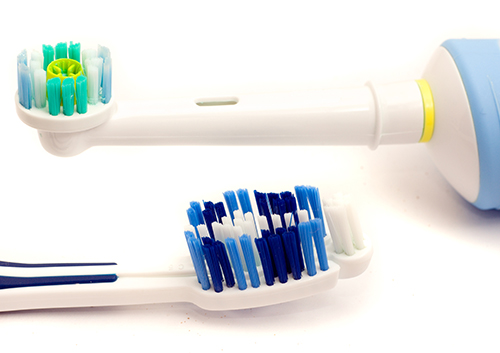
Now, you have a choice of manual brushes with soft, medium, or hard bristles. Or you might choose to go with an electric toothbrush instead.

Have you ever wondered whether manual or electric brushes provide better cleaning? Actually, they both do the job. The key is to brush and floss every day, regardless of the kind of brush you prefer.

At our West Bend, WI office, we like to say the best brush is the one you'll use. So if you prefer manual, go for it. If you prefer electric, turn it on.

Both types have their advantages but both types will get the job done as far as removing plaque.

Electric Toothbrushes

  • Provide power rotation that helps loosen plaque
  • Are great for people with limited dexterity due to arthritis or other problems
  • Are popular with kids who think the electric brushes are more fun to use
  • Can come with variable speeds to help reduce pressure on sensitive teeth and gums

Manual Toothbrushes

  • Can help brushers feel they have more control over the brushing process
  • Allow brushers to respond to twinges and reduce the pressure applied to sensitive teeth and gums
  • Are more convenient for packing when traveling
  • Manual brushes are cheaper and easier to replace than the electric versions.

In many ways, the golden age is just beginning. There are already phone apps available to remind you to brush and floss. New apps can play two minutes worth of music while you brush, help you compare the brightness of your smile or help explain dental procedures. Maybe someday we’ll even have programs that examine your teeth after brushing and identify spots you might have missed.

docsAmerican Dental AssociationInvisalign

Services