
Our Blog

Oral Cancer Awareness Month

April 3rd, 2018

Happy Oral Cancer Awareness Month! We know oral cancer can be kind of a scary topic, but it’s worth using this opportunity to learn about the disease and spread knowledge so everyone becomes more aware. The more we know, the better we can work to prevent it!

Oral cancer is exactly what it sounds like: cancer that occurs anywhere in the mouth. It could occur on the tongue, the lips, the gums, the tongue, inside the cheek, or in the roof or floor of the mouth. Every  year, more than 8,000 people die from oral cancer. It’s a truly deadly disease.

The reason oral cancer scores a higher death rate than other common cancers such as testicular cancer, Hodgkin’s disease, thyroid cancer, cervical cancer, or even skin cancer, is because it often goes undetected until it's become too advanced and has spread to another part of the body.

So what causes this devastating disease? There is no clear answer, but some potential causes have been identified. By being aware of these, we can be alert and promote prevention of this illness:

  • Age: Most patients who develop oral cancer are above the age of 40. If you’re over 40, make sure your doctor checks for signs of oral cancer and that you stay on your dental hygiene regimen.
  • Tobacco: Excessive tobacco use, whether in the form of cigarette smoking or tobacco chewing, can be a substantial contributor and cause of oral cancer. So that’s another reason, among many, you should avoid tobacco.
  • Alcohol: Excessive alcohol consumption can put you at risk because alcohol converts into a chemical called acetaldehyde, which damages the body’s DNA and blocks cells from repairing the damage. When paired with tobacco, the dehydrating effects of alcohol make it even easier for tobacco to infiltrate mouth tissue.
  • Sun exposure: Your lips need SPF, too! Repeated sun exposure increases your risk of contracting cancer on your lips, especially the lower lip.
  • Diet: Not getting all the nutrients you need, from vegetables and fruits for instance, can weaken your immune system and make you more vulnerable to the disease.

Obviously, many of these causes relate to lifestyle choices, which we have control over. It's all about balance, being aware, and making small tweaks to our habits if we need to.

If you’re concerned that you may be at risk for oral cancer, give us a call to talk about a screening. And if you’ve been putting off a visit to our West Bend, WI office, now is an excellent time to schedule one. Regular visits to the dentist can be the first line of defense against oral cancer!

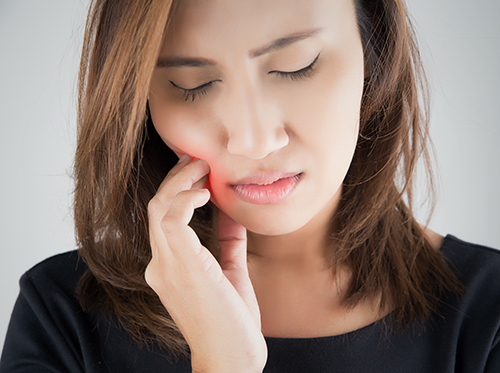
How do I know if I need a root canal?

March 27th, 2018

Tooth decay affects everyone, with studies reporting that 92% of adults have had a cavity at one point in their lifetime. In more serious instances of tooth decay, however, the nerve of the tooth may become infected. This type of infection requires a root canal, in which the affected nerve is removed, and the interior of the tooth is cleaned and filled.

Tooth Anatomy

Although each tooth is covered by a hard outer shell, the interior of a tooth consists of dental pulp. This pulp is soft, containing blood vessels that bring nutrients to the tooth. Each tooth also has an associated nerve, which resides within a root canal passing from the tooth’s root into the dental pulp. This nerve provides information about temperature, allowing teeth to sense heat or cold.

Symptoms of Nerve Infection

Damage to the dental pulp or nerve tissue leads to a rapid multiplication of bacteria within the interior of the tooth. The result may be an abscess, a small pocket near the root of the tooth that becomes full of pus. This infected area commonly causes the following symptoms:

  • Intense pain or sensitivity when pressure is applied to the tooth
  • Sensitivity to hot or cold temperatures, even after the heat or cold has been removed
  • Darkening or discoloration of the affected tooth
  • A small, persistent pimple that forms on the gums
  • Swollen or tender gums
  • Swelling in other areas of the face, neck, or head

Nerve infection may occur due to deep decay, although repeated dental procedures, facial trauma, chipping or cracking of a tooth, or large fillings may also contribute to an abscessed tooth.

What to Do if You Think You Need a Root Canal

Only a visit to Dr. Carl Meyers can confirm whether a tooth’s nerve has become infected. We will perform an oral examination and X-rays to confirm whether the tooth is abscessed. If a root canal procedure is needed, a small hole will be placed in the tooth. The pulp and nerve tissue are removed from the tooth, which is thoroughly cleaned and filled. Then, the hole is sealed with a special compound to prevent bacteria from entering the tooth’s interior. The entire procedure is performed under local anesthesia to numb pain.

If you think you may have tooth or nerve decay, call our West Bend, WI office today to schedule a diagnostic appointment.

Toothaches and Abscesses

March 20th, 2018

With Dr. Carl Meyers, emergency dental care is only a phone call away. Dental problems are uncomfortable and should always be treated as soon as possible to prevent them from getting worse.

Whether it’s an abscess or a toothache that you believe might be something more, it’s vital to pay attention to your body and give it the attention it needs. Below, you’ll find some more information about abscesses and toothaches that may clarify any doubts about the differences, whether you may be suffering from one of them … and what to do if you are.

Abscesses

What’s an abscess? It’s a bacterial infection: an accumulation of pus that can form inside a tooth or the gums and cause pain and swelling. It generally develops as a result of poor oral hygiene.

Bacteria lives in plaque so if plaque isn’t removed on a regular basis, it can build up and encourage bacteria to spread, which could ultimately result in an abscess. Antibiotics aren’t always needed for treatment, you should get this situation checked out as soon as possible. If left untreated, oral infections can lead to bigger complications.

Toothaches

Toothaches can happen for a number of reasons. The simplest, most common one is a piece of food that is stuck in your gum, which can cause a bit of swelling and discomfort.

To get rid of it, you can rinse your mouth with hot water and salt, every morning and evening. This helps kill bacteria and bring down the swelling. You can also gently floss the area to remove whatever is stuck there. If you experience bleeding while you’re flossing, and hot water with salt proves ineffective, it may be time to schedule an appointment.

If you’re especially sensitive to cold and heat, you may often experience toothaches. If this is the case, we can recommend a pain reliever to reduce the discomfort, but it’s worthwhile to come in for a check-up anyway to make sure the problem doesn’t get worse.

The last (and most obvious) reason for a toothache is a cavity. Depending on how bad it is, we might fill it or place a crown. The tricky thing with cavities is that sometimes you may not know you have one at all, especially when they’re just starting out. The best way to prevent them from getting worse and creating toothaches is by keeping up with your regular dental cleanings.

At Pioneer Dental, we’re here to assist you through any and all your dental emergencies! We encourage you to make an appointment at our West Bend, WI office if you notice any signs of discomfort, so we can provide the most efficient care for you.

Medication Can Lead To Xerostomia in Women

March 13th, 2018

Xerostomia, otherwise known as dry mouth, can be a side effect of many common medications. Drugs used for blood pressure, birth control, antidepressants, or cancer treatments may cause the dry mouth problems you’re experiencing. When you have dry mouth, you’re more likely to experience tooth decay and an increased risk of developing periodontal disease. Medication can sometimes be the cause of dry mouth in women, and lead to an increased amount of cavities.

You may not develop a cavity for years, but suddenly find more than one when you’re on medication for several months. This is due to there being less saliva in your mouth, which normally prevents bacteria from flourishing. When there is a lack of saliva flow, your mouth will be more likely to host tooth decay and be more prone to gum disease.

You may not notice it, but birth control can lead to inflammation of the gums and bleeding because of dry mouth. The condition can also emerge if you’ve undergone cancer treatments such as radiation, because your saliva glands may be damaged in the process.

Boosting saliva production is critical for treating xerostomia. Many over-the-counter saliva products are designed to help manage dry mouth. For women with severe cases of dry mouth and decay, we may recommend in-home fluoride treatments that offer extra enamel protection. This can come in the form of fluoride trays, prescription toothpaste, or a special fluoride rinse.

Other ways to relieve dry mouth include chewing sugar-free gum, limiting caffeine intake, avoiding mouthwashes that contain alcohol, sipping water regularly, using a humidifier at night, and stopping all tobacco use.

If you believe you may be experiencing symptoms of dry mouth, contact our West Bend, WI office to schedule an appointment with Dr. Carl Meyers. It’s wise to take medications that have been prescribed by your doctor, but it’s also smart to watch for any side effects. If you think a medication is causing you to have dry mouth, let’s figure out how to manage your symptoms as a team!

docsAmerican Dental AssociationInvisalign

Services