
Our Blog

Happy Labor Day!

August 29th, 2013

Labor Day is upon us, and that means the non-official end to summer. Before the kids head back to school and temperatures start to cool down, this is your last chance to barbeque in the beautiful West Bend, WI community, head to the lake, and wear your favorite pair of white pants.

About Labor Day

Each year, Labor Day is celebrated on the first Monday of September. It is the one day of year Americans celebrate their achievements in work, which the US Department of Labor says has contributed to prosperity and well-being of America as a whole. Americans have been celebrating Labor Day since the 1880s, and today it is an official federal holiday.

Interesting Facts About Labor Day

  • Every year, more than 30 million Americans travel over Labor Day weekend.
  • Canada was the first to celebrate Labor Day, and the US soon followed.
  • President Cleveland made Labor Day and official US holiday in 1894.
  • Labor Day marks the beginning of the NFL and NCAA sports seasons for fans.
  • Labor Day marks the end of hot dog season, when Americans consume seven billion hot dogs.

Thanks for being a valued patient of our dental office. Our staff would like to wish you a safe and happy Labor Day weekend. Enjoy your time off!

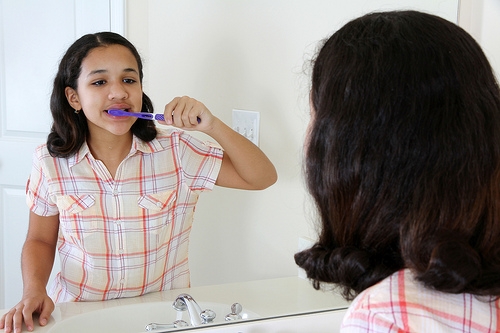
Teeth Grinding: Not Just a Bad Habit, But a Dental Concern

August 22nd, 2013

Perhaps you don't even know you grind your teeth. Maybe a spouse or loved one woke you up in the middle of the night and made you aware of what was happening.

For many people, teeth grinding is a habit and a mechanical reflex; when they’re awakened and informed they were grinding their teeth, they have no recollection of it at all. According to the American Dental Association, this is the nightly situation for roughly ten percent of Americans. From young children to the elderly, teeth grinding, known in the dental community as bruxism, is a serious concern.

Many people who grind their teeth in their sleep have no idea they're doing it. In fact, when they wake up in the morning they feel no jaw pain and their teeth are fine: if it hadn’t been for someone telling them about it, the teeth grinding would have gone unnoticed.

There are other people, however, who wake up with jaw pain, shoulder and neck pain, and headaches. Teeth grinding can cause a host of dental complications. From cracked teeth and receding gums to a misaligned jaw, teeth grinding is not something to take lightly.

Preventive measures are the key to combating bruxism, and a visit to Pioneer Dental can set you on the path to a healthy and safe night sleep.

The Reasons for Teeth Grinding

There are many reasons for teeth grinding. For some people, it’s a habit they acquired when they were a child and never grew out of. On the other hand, some research claims that the condition is related to stress, anxiety, or some other type of psychiatric issue.

Still other studies point to everything from poor muscle control or over-eating before bed to gastro-esophageal issues. However, the root cause of the teeth grinding is less important than identifying preventive measures against it.

Common solutions to teeth grinding include:

  • Wearing a protective nightguard
  • Stress management techniques
  • Medications and muscle relaxers

When you make an appointment with Dr. Carl Meyers at our West Bend, WI office, we will assess your situation and determine what the best course of action is. Teeth grinding is a dental concern that can cause serious health issues down the road, so be sure to take preventive measures today.

Telltale Signs That Your Tooth Has A Cavity

August 15th, 2013

Dr. Carl Meyers and our team at Pioneer Dental frequently get questions about cavity causes and prevention. You brush twice a day and floss regularly. You rinse with hydrogen peroxide, just like the dentist recommended. In fact, you can’t remember the last time you had a cavity, but you think it was when you were a little kid. In all seriousness, you thought only kids got cavities.

The Signs and Symptoms of a Cavity

It’s believed that roughly 90% of Americans will get at least one cavity in their lifetime. Those other ten percent, it seems, can eat as much pie, cake, and sugary cereals and sweets as they want. That’s not really true; just a stab at dental humor, and it was as bad as the pain your cavity is probably giving you.

When a cavity is in its initial stages, you will often be symptom-free and experience no discomfort at all. It’s not until the tooth decay has reached a certain level that you will begin to notice the signs and symptoms. While a toothache and sensitivity to hot and cold foods and liquids are surefire signs that you have a cavity, there are lesser-known symptoms as well. If you’re experiencing any of these warning signs, you may want to consider making an appointment with our office as soon as possible:

  • Persistent bad breath or a bad taste in the mouth
  • When you bite down, there is a sticky, tarry feeling
  • Puss or discharge around a tooth
  • A visible discoloring, usually black or brown
  • Small pits or holes in the tooth

Routine dental care is important. While good oral hygiene, a healthy diet, and regular cleanings will deter the formation of cavities, they do not constitute a foolproof practice. A cavity can occur at any time, no matter what your age. Bacteria causes tooth decay, and no amount of brushing, flossing, and rinsing will eradicate all the bacteria from your mouth. If you think you may have a cavity, please contact our office immediately.

I have fluoride toothpaste and fluoridated water; do I need a fluoride treatment?

August 8th, 2013

Fluoride is a naturally found ion with a history of greatly reducing the incidence of tooth decay in children. However, over the past decade Americans have increasingly consumed bottled water, most of which does not contain fluoride, and children are no longer getting the recommended dosage of fluoride. In addition, many areas do not add the optimum amount of fluoride to the town drinking water.

Everyone’s dental needs are different. The amount of fluoride a person needs is determined by age (children), tooth sensitivity, risk for cavities, and medical conditions. When a patient needs additional fluoride it can be applied in a foam or varnish.

Children receive additional topical fluoride because teeth in the early development stages have a higher mineral uptake. The future strength of the enamel depends on this. When a tooth absorbs the fluoride ion, it creates hydroxyapatite, a harder mineral compound than enamel alone.

Those who have a dry mouth from medication also need extra fluoride. A daily fluoride rinse and a semi-annual fluoride varnish treatment are standard. If you are on medicine for high blood pressure, anxiety, diabetes, depression, or cholesterol, you may fit in this category.

Cancer treatments can also greatly impact your oral health. Fluoride varnish treatments prior to, during, and after radiation and chemotherapy can be beneficial. There are other mouth conditions which coincide with cancer treatments which make it difficult to brush and floss daily, and can contribute to an increased risk for decay. An infection during cancer treatment can be especially harmful, which is why preventive measures are important.

Fluoride treatments, administered topically, are highly beneficial in preventing decay. Feel free to call Pioneer Dental to schedule an appointment or if you have any questions.

docsAmerican Dental AssociationInvisalign

Services