Our Blog

Ways to Prevent Oral Cancer

November 14th, 2017
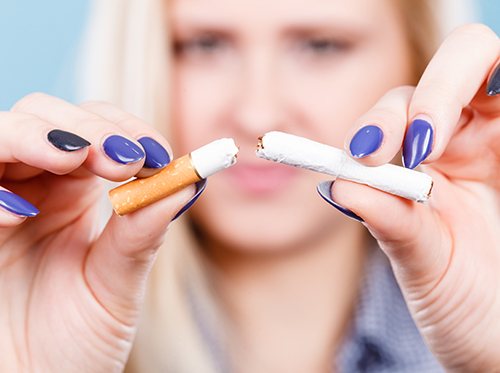
According to the Oral Cancer Foundation, this form of cancer kills roughly one person an hour, every 24 hours. This means that nearly 10,000 people will die this year from this type of cancer.

Often, the cancer is discovered late, which is the main reason the death rate is unfortunately so high. Dr. Carl Meyers and our team want you to know the precautionary steps you can take to avoid oral cancer.

Here are some of the most effective methods:

  • Good oral hygiene is the first step in oral cancer prevention.
  • Visit our West Bend, WI office every six months for a dental exam.
  • Quit smoking or using chewing tobacco, if you do.
  • Limit alcohol consumption.
  • Maintain a healthy, well-balanced diet.
  • Consume cancer-fighting foods such as vegetables, berries, garlic, green tea, etc.
  • Change how you prepare foods; baked, boiled, or steamed foods are healthier than grilled or fried.
  • Exercise regularly to maintain a healthy immune system.
  • Limit the amount of time you spend in the sun, and be sure to use sunscreen.
  • Conduct an oral self-exam each week.

We know the thought of oral cancer can be frightening, so we hope the above advice can help patients catch it early or prevent it from ever happening. If you notice a negative change in your oral health, contact our West Bend, WI location right away and schedule an appointment with Dr. Carl Meyers.

If you’re ever concerned or have questions about this common form of cancer, don’t hesitate to ask a member of our team.  

 

Keep It Cheesy for a Long-Lasting Smile

November 7th, 2017

You’ve heard people tell you to say “cheese” when you’re having your picture taken, probably more times than you can count. There is another reason you should be saying “cheese” … or “YES” to eating cheese.

Although Dr. Carl Meyers and our staff routinely encourage our patients to brush their teeth after eating, the one time you don’t want to do that, at least not immediately, is after eating cheese.

Study Finds Important Benefit From Eating Cheese

CBS News reported on the results of a study that was published in the May/June 2013 issue of General Dentistry, a publication of the Academy of General Dentistry. The study showed that cheese increases dental plaque pH, but in this case, the plaque increase isn’t a bad thing. When you eat cheese, you increase the pH of the plaque on your teeth, and create a protective coating that may lower your risk of getting dental caries -- more commonly known as cavities.

An analysis of the story from the General Dentistry journal, including the details of the study and its participants, was published in Science Daily. The study looked at 68 children between the ages of 12 and 15. A similar study was conducted by British researchers who reported their findings in the British Dental Journal in 1999.

How the Study Worked

For the 2013 study, researchers divided kids into three groups. Participants in group one ate cheddar cheese. Participants in group two drank milk, while participants in group three ate sugar-free yogurt. All participants were told to eat or drink their assigned foods for three minutes, after which they swished water in their mouths.

Researchers tested every participant’s mouth at ten, 20, and 30-minute intervals. They found no changes in the mouths of participants in the milk drinking and sugar-free yogurt eating groups, but every time they tested the pH levels in the mouths of the ones who had eaten cheese, researchers saw the levels quickly increased.

They concluded that cheese has anti-cavity properties. That isn’t the only benefit, however. Another study, in which related findings were reported, appeared in the Journal of Contemporary Dental Practice in the summer of 2000. In that study, researchers found that cheese may give teeth a protective coating that helps lessen enamel erosion caused by acidic foods, particularly from sugar-sweetened soft drinks.

So don’t just say cheese for pictures. If you want to have a happy, healthy and long-lasting smile, go for cheese. It’s good for your bones, too!

Sealants: What are they and how do they help?

October 31st, 2017

Molars are made up of canyons, caves, pits, and seemingly endless caverns that are a breeding ground for decay. The protective solution is a sealant. When done correctly, a sealant from Dr. Carl Meyers of Pioneer Dental can be most effective in preventing cavities.

A sealant is made up of composite (a plastic-like) material that contains bonding agents to seal to the edge of the tooth. Sealants placed on the chewing surfaces of back teeth block food from being trapped. The process in which a sealant is placed is quite precise and painless.

First the tooth is cleaned with a sodium bicarbonate (baking soda) spray. Then an acid etch is applied to “roughen up” the surface. No saliva is to touch the tooth. This will re-mineralize the area, then a repeat etching is needed. An alcohol-based liquid then dries out the area and it must remain completely dry. The sealant is placed and guided through all the caverns, pits, fissures, and grooves. It is then cured with a special light, which makes it a hard, plastic-like material.

Sealants can last for several years. It is wise to have them examined on a semi-annual basis. If there is a break in the sealant, a high risk for decay is common. If a sealant is damaged, repair is simple, painless, and quick to complete.

Who can benefit from sealants? Anyone! Children often receive sealants as routine preventive care. Adults with deep canyons with stained grooves on their teeth can also benefit from a sealant. The process is quick, painless, and does not require any anesthesia. It is an effective way to lower dental restorative costs.

An investment in dental sealants can reap great benefits as properly cared for teeth will remain cavity free. Our West Bend, WI location is available to answer your questions so give us a call today!

I don't brush while I'm at work. Should I?

October 24th, 2017

Yes, absolutely. A recent survey by Oral-B® reveals that despite knowing that a healthy, good-looking smile affects not only their personal wellness but their professional image as well, very few people (only 14 percent) brush and floss at the office regularly. What’s more, three quarters of people who responded to the survey said they ate twice or more a day at work.

Today, Dr. Carl Meyers and our team thought we would provide some tips for brushing at work.

  • Leave a toothbrush at work to increase your likelihood of brushing
  • Brush your teeth twice a day with fluoride toothpaste. Replace your toothbrush every three or four months, or sooner if the bristles are frayed. A worn toothbrush won’t do a good job of cleaning your teeth.
  • Clean between teeth daily with floss or an interdental cleaner; this helps remove plaque and food particles from between the teeth and under the gum line. Tooth decay-causing bacteria still linger between teeth where your toothbrush bristles can’t reach.

And remember to brush for 30 to 45 seconds across visible parts of the teeth. Brushing after breakfast or lunch will eliminate any remaining food particles and odors. We recommend people brush their teeth twice and floss once a day to remove plaque and other harmful bacteria.

To schedule your next appointment with Dr. Carl Meyers at our West Bend, WI office, please give us a call!

docsAmerican Dental AssociationInvisalign

Services