Our Blog

How do I make my child’s diet safe for his or her teeth?

October 17th, 2017

The food you feed your child can have a lasting effect on his or her oral health. In fact, diet plays a major role in whether a child develops cavities and decay, which can lead to many dental visits and potential tooth loss. So what should you feed your child to ensure he or she has a healthy smile for life?

Foods to Avoid

It is normal for your child to take interest in many foods -- especially those filled with sugar and carbohydrates. But as tasty as these foods are, they can cause rapid decay when eaten in excess. That’s not to say your child can never have sugar again. Dr. Carl Meyers and our staff suggest limiting starchy and sugary foods such as candy and potato chips as much as possible.

Remember that some seemingly healthy foods can present the threat of decay too. Some of the most common culprits are sticky foods like peanut butter, raisins, and granola bars, which can stick to the teeth after eating. If you serve these foods to your child, be sure to have him or her brush immediately after eating to remove any lingering sugary residue.

Beverages

Many beverages marketed toward children contain sugar servings that far exceed the daily recommendations from national health organizations. They suggest no more than three to four teaspoons of added sugar per day for young children.

Make an effort to serve only water to your child any time other than meal times. During meals, allow your child to have milk or juice, but in limited serving sizes. Most importantly, never allow your young child to sleep with a bottle or “sippie cup” full of juice or milk. Doing so can cause rapid tooth decay: a condition known as “baby bottle caries.”

A Healthy and Balance Diet

So long as your child is brushing regularly and eating a healthy, balanced diet full of fruits, vegetables, lean proteins and whole grains, you should have little or no problem with tooth decay. For more questions about how your child’s diet affects his or her oral health, contact our West Bend, WI office to schedule a consultation.


How can I protect my child's teeth during sports?

October 10th, 2017

Sports are great for children for a variety of reasons. Children can develop their motor skills, learn how to solve conflicts and work together, and develop their work ethics. As a parent, you may recognize the benefits of sports, but also naturally worry about your child’s health and safety. Your job goes beyond providing a water bottle and making sure your child follows the rules of the game.

Although you may not think of your child’s teeth first when you think about sports, accidents can happen that affect your children’s teeth. A stray hockey stick, an errant basketball, or a misguided dive after a volleyball are examples of ways a child could lose a tooth. In fact, studies show that young athletes lose more than three million teeth each year.

Becoming a Better Athlete to Protect Teeth

Becoming a better athlete involves refining skills, learning the rules of the game, and being a good sport. These components are not just about winning. They are also about safety. Young athletes who are better ball-handlers and who are careful to avoid fouls and penalties are less likely to have harmful contact with the ball, teammates, or opponents. Children who are better roller-bladers are less likely to take a face plant into the blacktop, and more likely to save their teeth. Being a good sport and avoiding unnecessary contact is one way to protect teeth.

Proper Protective Equipment for Teeth

If your child is in a sport that poses a high threat to teeth, it is essential for your child to wear a mouthguard. Mouthguards fit your child’s mouth and consist of soft plastic. Dr. Carl Meyers can custom fit a mouthguard if generic ones are uncomfortable. While children may resist wearing a mouthguard initially, your persistence in insisting that they wear it should be enough to convince them. A helmet or face mask provides additional protection.

While prevention is best, rapid treatment can improve the situation if your child does happen to lose a tooth during sports. Rapid implantation can work in about ten percent of cases. To learn about ways to save a lost tooth, contact our West Bend, WI office.

More Adults Are Opting for Invisalign®

October 3rd, 2017

These days it's becoming more and more common to see adults at our West Bend, WI office getting their teeth straightened with Invisalign clear aligners — that is, if you can see them! Treatment with Invisalign is effective and aesthetically pleasing for all ages, but adults have certainly taken to them.

For some it may be to overcome the stigma that "braces are just for kids," but for others it may be the displeasing appearance and discomfort of traditional braces. According to the American Association of Orthodontics, from 1994 to 2010 the number of adults 18 and older getting braces increased by 58 percent, from 680,000 to 1.1 million annually. Many of these adults opt for Invisalign because of how discreet they are and since they don't need to avoid any foods or make dietary changes like you do with traditional braces.

The benefits of getting your teeth into proper alignment are many, and so are the advantages of Invisalign. By following your individual course of Invisalign treatment, you can expect to enjoy the following benefits over traditional braces:

  • The total treatment time is more precise with Invisalign since your treatment is modeled by a computer, as compared to traditional braces where it is really just an estimate.
  • You'll need to make fewer trips to our West Bend, WI office since you can change your trays on your own every few weeks or as prescribed.
  • There's less risk to the health of your tooth enamel since there is no need to place brackets on your teeth.
  • Invisalign aligners are clear and practically invisible, so most people won't even know you're wearing them!

If you're interested in Invisalign treatment, please let Dr. Carl Meyers know. We'd be happy to help you on your journey to a straighter, healthier smile!

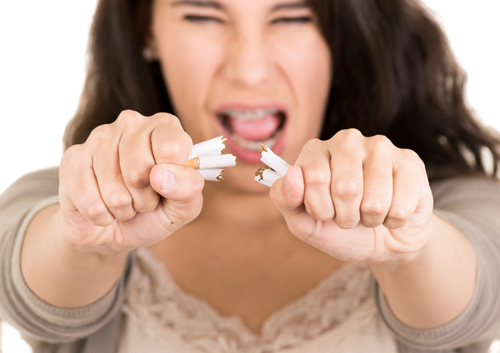
How Smoking Increases the Risk of Oral Cancer

September 26th, 2017

Cigarette smoke contains more than 6,000 chemicals, and at least 200 of those chemicals are known to be harmful to your health. When smoke is inhaled, moist oral tissues are saturated with excessive amounts of carbon monoxide, hydrogen cyanide, and a host of other known carcinogens. Most oral cancers originate in abnormal squamous cell activity, which are cells found on the lips, inside the mouth, and in the throat.

How Oral Cancer Begins

Cells exposed to consistently high levels of cigarette smoke may eventually suffer abnormal mutations within their DNA. Since deoxyribonucleic acid (DNA) is responsible for providing cells with instructions about growth, reproduction, and death, these instructions become distorted, which causes the cells to reproduce uncontrollably.

Essentially, that is what cancer is: rapid, unchecked growth of genetically mutated cells that encourages the development of malignant tumors. Unfortunately, the chemicals in cigarette smoke are strongly associated with oral cancer.

Signs of Oral Cancer

Early-stage oral cancer is often asymptomatic, which means symptoms appear only after the cancer intensifies and spreads. Possible signs of oral cancer include:

  • Ulcers inside the mouth or on the lips that do not heal
  • White or dark red patches inside the mouth
  • Lumps inside or around the mouth (a lump could appear on your neck)
  • Bleeding, numbness, and soreness in the mouth
  • Chronic halitosis
  • Loose teeth in the absence of tooth decay

Diagnosis and Treatment of Oral Cancer

Squamous cell oral cancer is the most common type diagnosed in smokers. Dr. Carl Meyers and our staff often discover squamous cell carcinoma lesions during dental examinations or cancer screenings. Depending on the stage of the oral cancer, treatment may begin with a biopsy or an exfoliative cytology procedure that involves collecting cells from the oral cavity using a scraper.

According to the Oral Cancer Foundation, oral cancer patients may need surgery, radiation therapy, a combination of surgery and radiation therapy, or chemotherapy to eradicate oral cancer.

Smoking, Cancer, and Tooth Decay

Not only is smoking the number-one cause of cancer but it is also detrimental to the overall health of your teeth and gums. Yellow teeth, bad breath, dry mouth, and expedited tooth decay are all caused by smoking, not to mention the damage smoke does to the heart, lungs, and kidneys.

In other words, don’t smoke!

docsAmerican Dental AssociationInvisalign

Services